

AI & workflow automation
Give your team fewer handoffs to chase.
Connect the routine work, keep people in control of important decisions, and make failures visible. We scope automation around one useful, repeatable workflow at a time.
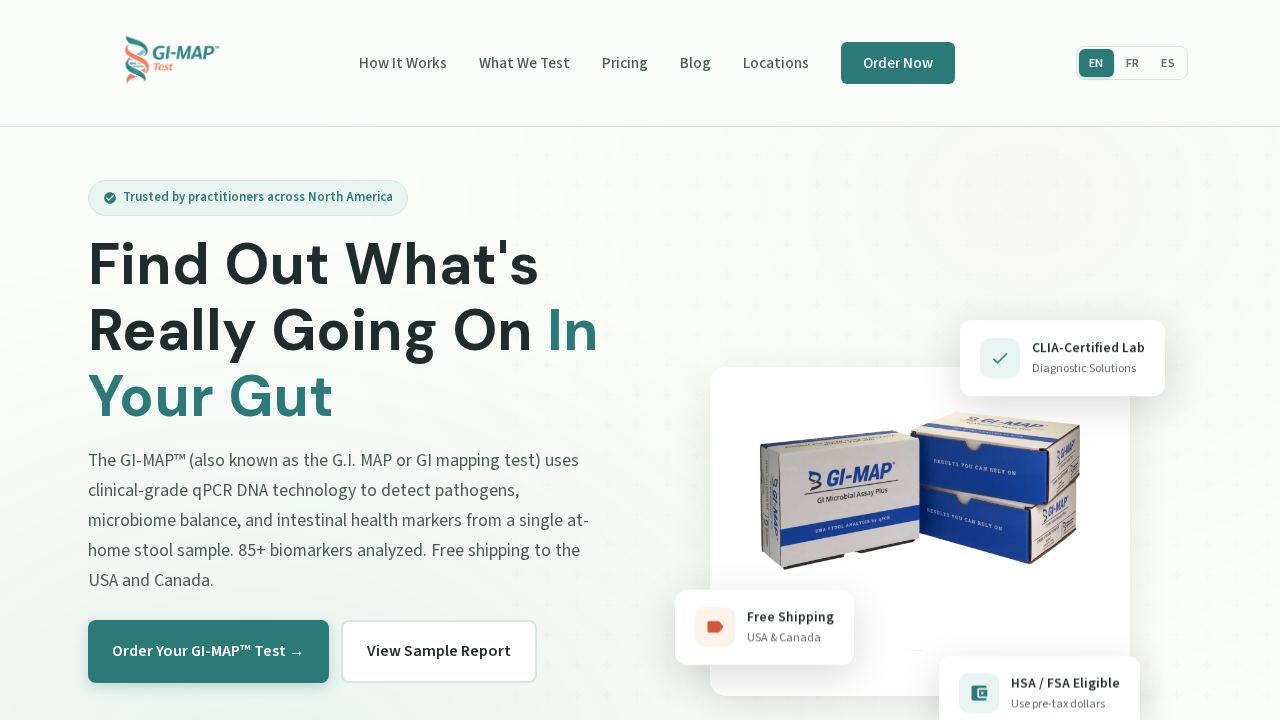
Real Health Diagnostics Inc.’s ecommerce implementation with payment-event handling and recovery tooling.
Explore the project ↗Start with your challenge
Where are you right now?
Choose the closest match. See what a useful first step could look like.
Your starting point
Connect the repetitive handoff.
A useful first phase can include:
- Source records, destinations, and field mapping
- A bounded integration and exception path
- Testing and operating ownership
We agree the scope, responsibilities, and success measures with you before work begins.
Your starting point
Start with a defined task and human review.
A useful first phase can include:
- A specific use case and approved data scope
- A pilot with evaluation examples
- Review, escalation, and release criteria
We agree the scope, responsibilities, and success measures with you before work begins.
Your starting point
Make failure and recovery part of the design.
A useful first phase can include:
- A review of events, duplicates, and failures
- A repair plan and meaningful test cases
- Logs and a recovery process for the owner
We agree the scope, responsibilities, and success measures with you before work begins.
Define the boundary first
- Name the input, destination, responsible owner and permitted action.
- Use the minimum account access required for the workflow.
- Handle retries without repeating a business action.
- Record a receipt or readback from the destination.
- Keep approval in the flow for consequential or uncertain actions.
What to verify
A working prototype is not a production service. Acceptance should include expected inputs, missing data, duplicate events, failed calls and the recovery path. Model-generated text needs an appropriate review before it becomes a public claim or external message.
Automate a defined task with a clear owner
A useful automation has a specific trigger, a limited set of actions and a way to tell whether it succeeded. We begin by mapping the existing process and the exceptions people already manage. The objective may be to route an inquiry, prepare a draft, synchronize approved information or assemble a report. Each is a different scope with different permissions.
AI is one possible component. A deterministic rule may be the better choice when the input is structured and the correct action is known. Model-based steps are more appropriate when the task requires interpreting or drafting language, provided the output can be reviewed and the failure modes are acceptable.
Define the action boundary
- What starts the workflow and which records it may access.
- What it may read, draft or change in each connected system.
- Which actions require a person to approve them.
- How failures, uncertain results and repeated events are handled.
- Who owns the workflow and how to stop or change it.
Make the result observable
A completed workflow run does not always mean the intended business action occurred. An email may have been drafted but not sent; a record may have been prepared but not accepted by the destination. We define success at the relevant system and retain an appropriate receipt or readback when the scope requires it.
Retries need particular care when a step creates something outside the workflow. The implementation should reconcile an uncertain result before repeating an action that could create duplicates. A failure queue or review state gives the operator a clear next step rather than silently abandoning the task.
Use appropriate data and permissions
We identify the minimum information the workflow needs and which providers will process it. Client information, account access and retention requirements are reviewed before using live records. A demonstration can use synthetic data while the business resolves approvals and system access.
For model-based steps, testing includes examples of ambiguous inputs and content that should not be treated as instructions. Outputs are evaluated against the task's acceptance criteria. Adding a model does not authorize a workflow to make financial, access-control or other consequential decisions on its own.
Start small enough to validate
A first engagement can document the process, build a limited pilot and evaluate its behaviour with the workflow owner. Expansion follows evidence from that pilot, including the time spent handling exceptions. Ongoing support covers provider changes, failures and adjustments to the underlying business process.
See custom software development when the workflow needs a dedicated application, or consulting when the first task is choosing what to automate. We agree deliverables and operating responsibilities before making a savings or performance commitment.
Discuss a specific workflow.
Tell us where the website or search program is getting in the way. We’ll help define a useful first scope.