Golf course website design needs to serve different reasons for visiting. A first-time player may need course information and a booking link. A member wants current information. An event organiser needs a useful picture of the venue. We organise those journeys around your actual operation.
Explore the experience
Who is coming to your club?
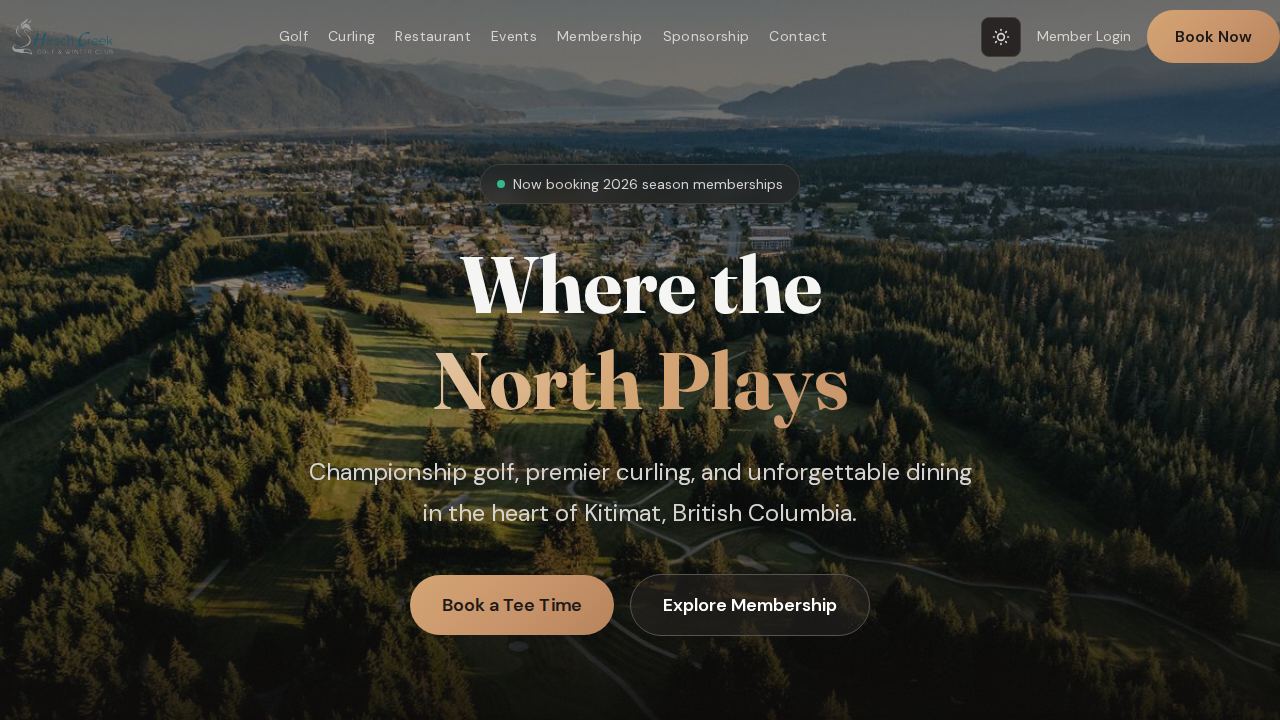
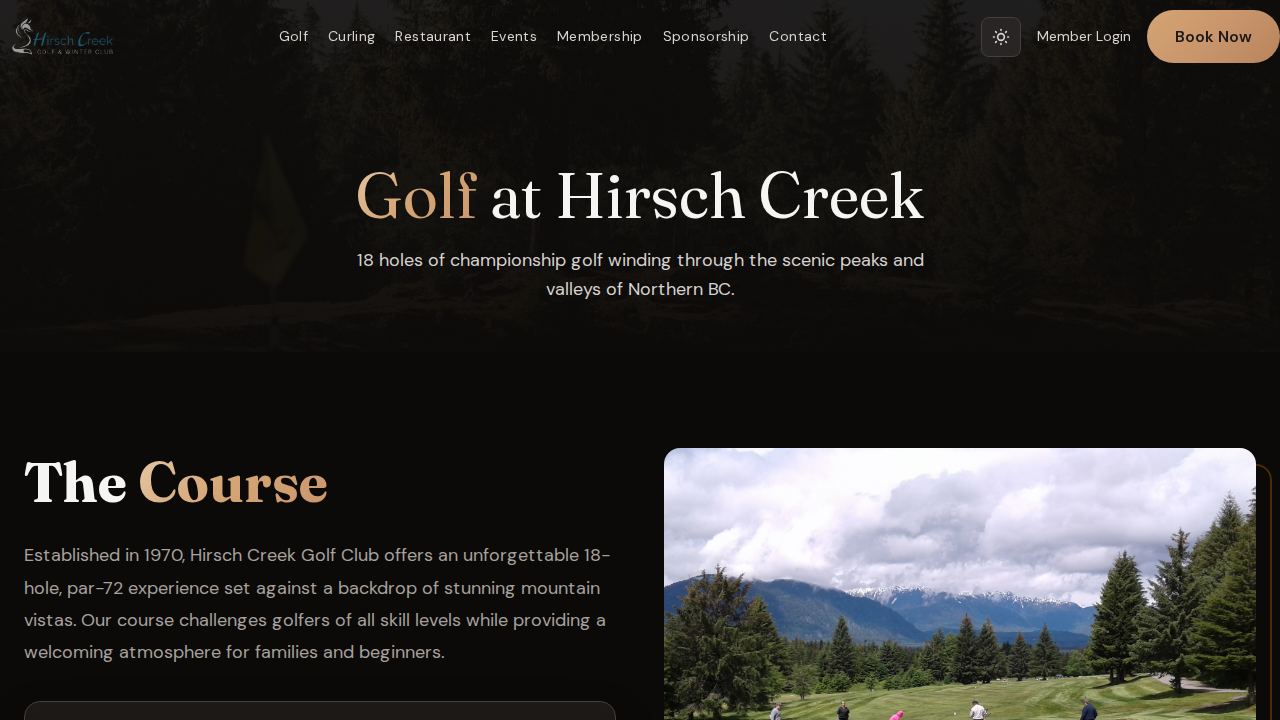
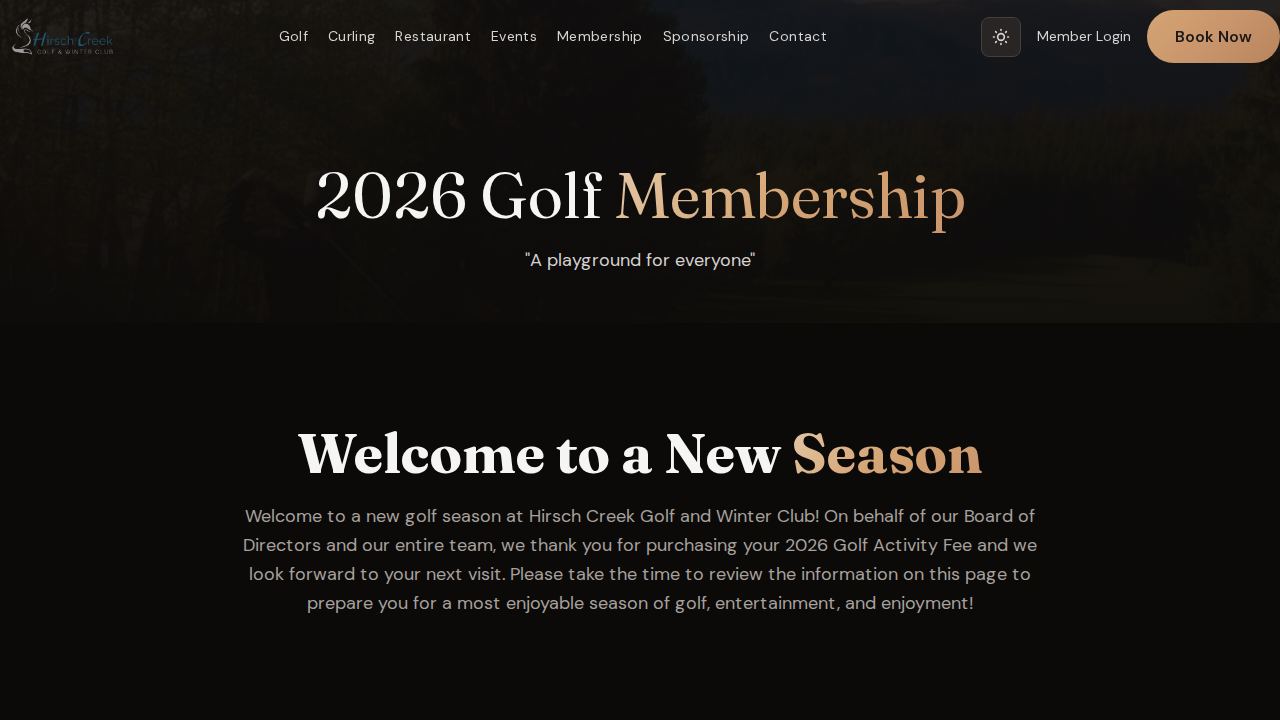
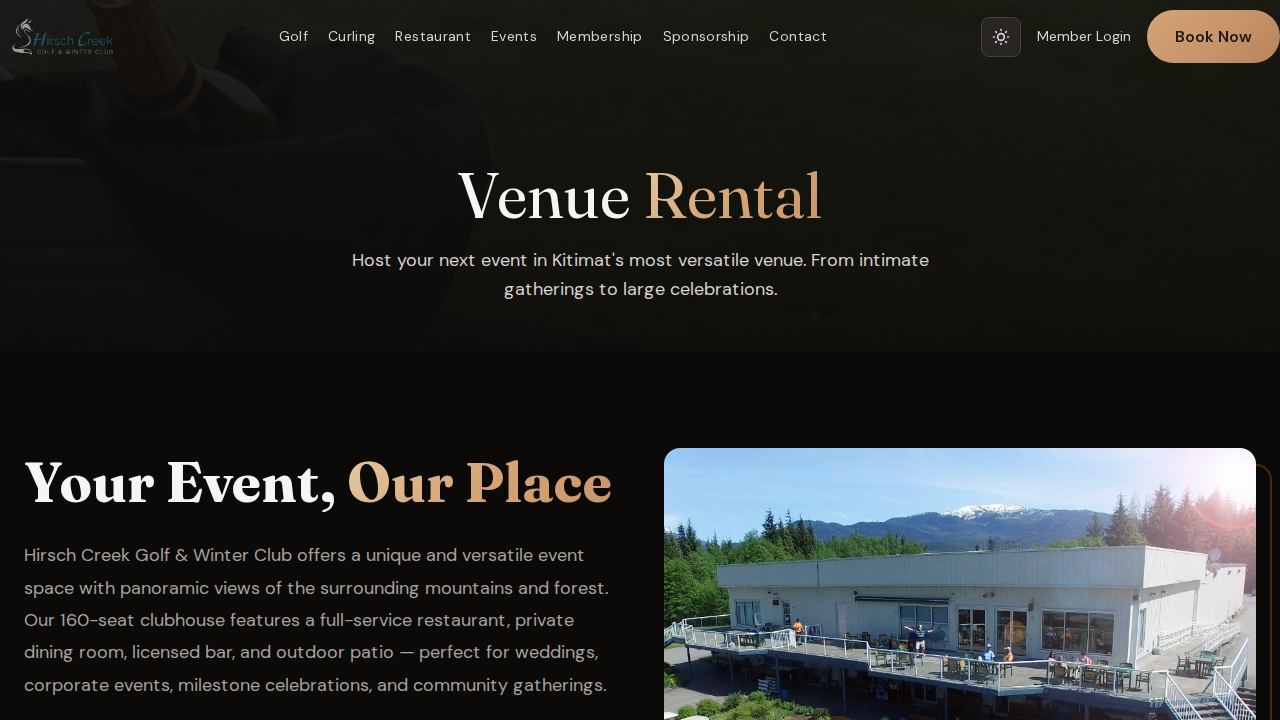
Explore the different journeys through our Hirsch Creek project. These are saved website previews.
Players
Get from interest to a round of golf.
Show the course, explain the experience, and make the next step easy to find. We plan the handoff to your existing booking provider where one is used, with responsibilities agreed before integration.
Give membership information and recurring club needs a recognisable home. A clear public website can guide members to the right contact or existing member service without claiming to replace the system behind it.
Dining and venue pages need their own photographs, practical details, and contact path. The same website can support a casual visit and a considered event inquiry without mixing the two journeys.
A club offering golf, winter sport, dining, and events needs a structure that can change emphasis as the season changes. We plan reusable content areas and clear navigation so important information stays visible without rebuilding the whole site.
Real photography, useful context
The website should communicate the course and the setting, with practical information close at hand. We organise supplied photography and content around visitor decisions, and confirm image permissions before publication.
Booking links with a deliberate handoff
We identify your existing tee-time, event, or membership tools and decide how the website should connect to them. Provider behaviour, access, and mobile usability are checked in the agreed scope. A custom booking engine is a separate software project.
A team that can keep it current
Seasonal hours, event details, menus, notices, and contact information need an owner and a manageable editing process. We agree the content model and handover around the people who will maintain the website.
From the first conversation to handover
You will know what happens next.
01
Make the plan
We review your current setup, your priorities, and the people who need to use it. You get a defined first phase and clear dependencies.
02
Review the work
You see the agreed direction and working pages as they develop. Decisions and feedback are tied to the scope and the people responsible.
03
Check and hand over
We verify the agreed journeys, resolve release issues, and give your team the access and guidance needed to run the result.
Before you decide
Your questions, answered.
Can one website support golf, curling, dining, and events?+
Yes. Hirsch Creek is a relevant example of organising those activities in one club website. Each audience needs a clear entry point, relevant content, and a next step that fits the task.
Will you replace our tee-time or membership system?+
Not by default. We first evaluate the existing services and the handoff from the website. Replacing or building an operational system requires its own requirements, data plan, and scope.
Can we update seasonal content ourselves?+
We can plan editing around the content your team changes most often. The platform, roles, reusable templates, and guidance are agreed as part of the build.
What should we bring to the first conversation?+
Your current site, the activities you offer, existing booking or member tools, available photography, and the questions staff answer repeatedly. Those inputs help identify the first useful improvements.
May we use analytics to understand which pages help visitors? Optional analytics stays off until you choose. Your inquiry works either way. Cookie details.