Search foundations
Review crawl access, indexable content, accurate structured data and visible evidence.


AI search & discovery
Give people and search systems clear, useful information about your organization. We connect technical access, source-backed content, and entity consistency with a measurable search program.
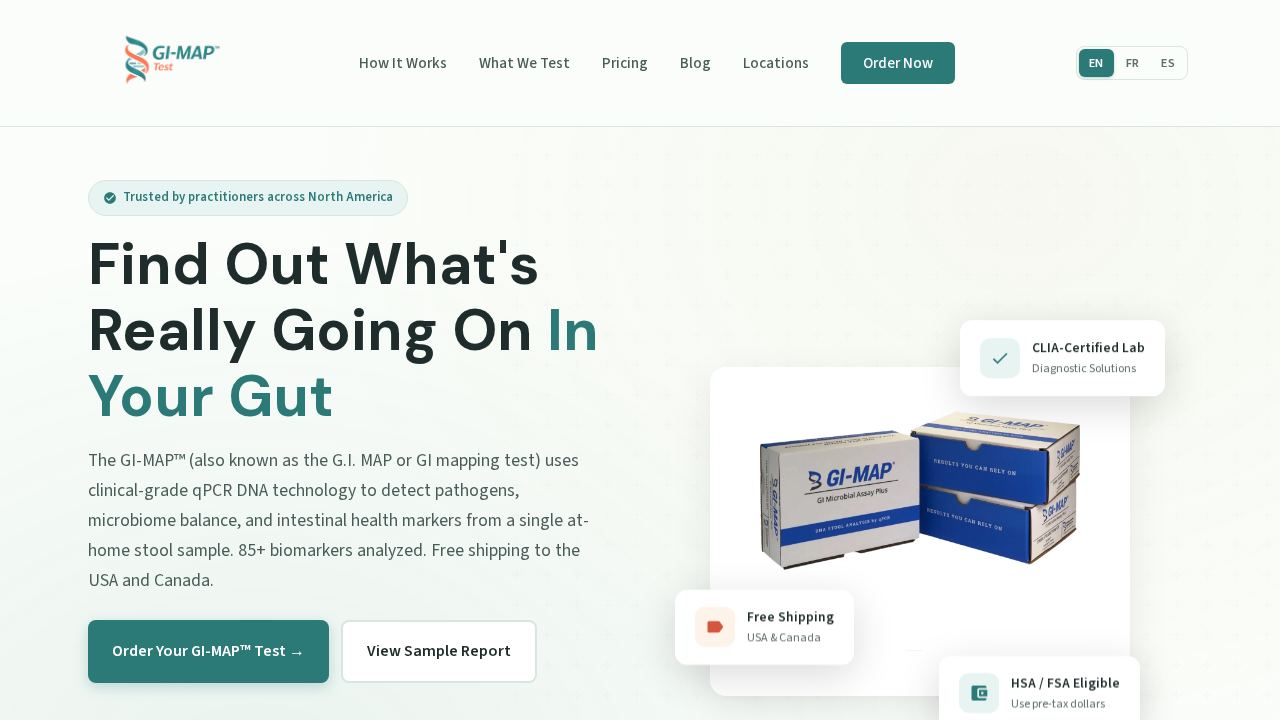
A Real Health Diagnostics Inc. program connecting search content with published PR features.
Explore the project ↗Start with your challenge
Choose the closest match. See what a useful first step could look like.
Your starting point
A useful first phase can include:
We agree the scope, responsibilities, and success measures with you before work begins.
Your starting point
A useful first phase can include:
We agree the scope, responsibilities, and success measures with you before work begins.
Your starting point
A useful first phase can include:
We agree the scope, responsibilities, and success measures with you before work begins.
Review crawl access, indexable content, accurate structured data and visible evidence.
Make service scope, authorship, ownership and source information easy for readers to understand.
Record the system, query, date and result. Compare observations without treating a citation as a website visit or sale.
Google’s AI-search guidance describes the role of ordinary SEO foundations. Our work starts there.
AI-search visibility work starts with the same useful questions as a good website project: what do you do, who is it for, and where is the evidence? We help organize the pages and source material that answer those questions. The work focuses on clear entity information, accessible content, relevant expertise and a way to observe whether your pages appear in the available reporting.
A citation in an AI answer, a brand mention and a visit to your website are different events. They should not be combined into a single traffic number. We establish a reporting baseline using the tools and properties you can access, with the observation date and coverage limitations recorded.
Useful source material can include original research, a detailed implementation guide, a clearly explained service boundary or a case study supported by records. We work with your subject-matter experts to identify what the business can contribute. Repeating generic answers across many thin pages does little to help a buyer understand why your experience matters.
We also review how facts are presented. A table with units and dates, a clear explanation of a process and a source close to its claim make the page easier for readers to verify. Structured data should describe the visible content accurately; it is not a substitute for the content or a promise of inclusion in an AI answer.
Provider dashboards cover particular products, prompts, markets or reporting windows. A count from one source is not the total number of times every AI system referenced your business. We document the scope so changes over time remain interpretable. Where the data is unavailable, we say so rather than record zero.
Our related-company walkthrough includes dated GI-MAP search observations and distinguishes Bing AI citations from Google clicks and Semrush keyword estimates. That is an example of the reporting approach, not a forecast for another site.
This work usually belongs alongside technical SEO and content development. For a local business, accurate location information and useful service pages remain part of the foundation. The scope can begin with an assessment, continue with a group of priority pages and then move into periodic measurement.
We do not guarantee citations, placement or a specific AI answer. The deliverable is the research, content, implementation and reporting defined in your agreement. See our GEO implementation scope for how those responsibilities fit together.
Choose the questions, markets and systems relevant to the business. Record whether the evidence comes from a provider dashboard, referral analytics or a manual observation. Keep the period and configuration consistent where possible. If the reporting source changes, explain the break rather than joining incompatible numbers into a continuous trend.
A bounded prompt sample can help inspect how a service is described, but it cannot establish every answer every user receives. Retain the question, date, system and observed response so the team can revisit it. Treat a missing observation as missing information, not proof that the business was never mentioned.
Review whether the website consistently identifies the business, its services, authors and locations. Correct factual conflicts at their source. Add useful explanations where buyers would otherwise have to infer the relationship between a product, company and service. Structured data should follow those visible facts, rather than introduce credentials or ratings that the page does not support.
Work with the people who can explain the service in detail. A useful page might describe how a project is scoped, compare options fairly or document an implementation with clear limits. Identify which claims need a source and who can approve them. Original evidence belongs beside the relevant explanation, not in an unrelated list of badges.
The reporting conversation should connect observations to an actionable backlog. A technical issue may justify a repair; an unclear description may justify a rewrite; a thin evidence base may require subject-matter input. The aim is a better website and a defensible view of its visibility. Recommendations from external systems remain outside the agency's control.
Share the current website, locations or systems involved. We’ll define the work, responsibilities and acceptance checks before committing to delivery.