

Generative engine optimization
Give your expertise a clearer path into discovery.
Organize the information people need to understand your services. Build useful answers, consistent facts, and accessible pages that support search and AI discovery.
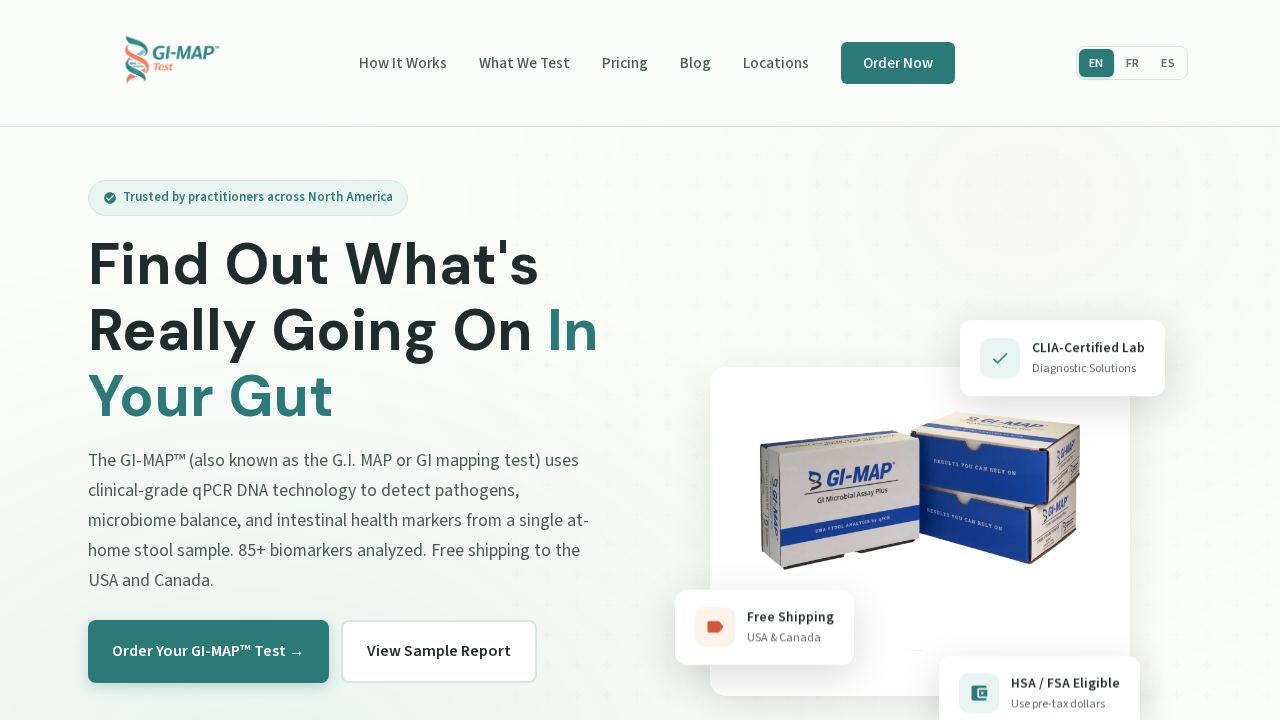
Published stories and search content on Real Health Diagnostics Inc.’s health-testing property.
Explore the project ↗Start with your challenge
Where are you right now?
Choose the closest match. See what a useful first step could look like.
Your starting point
Bring the important facts together.
A useful first phase can include:
- A content and entity inventory
- Priority topics and page relationships
- A plan for clear, source-backed answers
We agree the scope, responsibilities, and success measures with you before work begins.
Your starting point
Answer the questions behind the inquiry.
A useful first phase can include:
- Buyer questions and intent
- Substantive service and proof pages
- A linked path from question to next step
We agree the scope, responsibilities, and success measures with you before work begins.
Your starting point
Measure the signals separately.
A useful first phase can include:
- Defined search and AI observations
- A baseline with source and dates
- A review of changes and next priorities
We agree the scope, responsibilities, and success measures with you before work begins.
The review
- Check public crawl and indexability settings.
- Inspect the service and organization facts visible to readers.
- Record a defined sample of answer-engine observations with dates and limitations.
- Decide whether technical repairs, better content or measurement work is justified.
Implementation and ongoing observation are described in our AI-search visibility service.
Turn an AI-search assessment into a working content backlog
Generative engine optimization is most useful when it describes concrete work. A vague instruction to become visible in AI tools is difficult to deliver or measure. We translate the objective into a set of pages, technical repairs, evidence improvements and reporting tasks your team can own.
This page explains implementation. For the wider strategy and measurement definitions, see AI-search visibility. The two scopes are connected: an assessment identifies the problem, while an implementation project delivers the agreed changes.
Define the source of truth
We begin by identifying the facts that should be consistent: business name, service boundaries, locations, product details, author information and supporting references. When sources disagree, the business resolves the underlying fact before it is repeated across the site. A consistent statement is only useful if it is also accurate.
Next, we map priority buyer questions to existing pages. Some pages need clearer answers; others need original evidence or a more useful structure. A new URL is justified when it serves a distinct need, rather than merely repeating a keyword variation.
Implementation work can include
- Clarifying service pages and entity information.
- Adding appropriately sourced explanations, comparisons and case evidence.
- Repairing internal links and crawl obstacles affecting important content.
- Aligning structured data with the facts visible to readers.
- Documenting measurement sources, review dates and content owners.
Keep publication and measurement separate
A page can be published and technically accessible without being selected by a search or AI system. Acceptance of the implementation therefore checks the work we control: the content, links, metadata, rendering and reporting setup. Subsequent observations show what the available platforms report; they do not turn inclusion into a contractual certainty.
Reports distinguish the number of observed citations from referral visits and business outcomes. Comparisons use the same source and reporting scope where possible. Changes to a provider's methodology or coverage belong in the report because they can affect a trend independently of your website work.
Who this suits
This scope suits a business with substantive expertise, useful source material and someone who can approve factual content. It is particularly relevant when service information is fragmented or a growing site lacks consistent ownership. It is less useful as a standalone activity when the underlying website cannot support an ordinary customer journey.
We can work with your existing writers and developers or deliver a defined implementation. Review our process, the related-company example and engagement options to decide where to begin.
What an implementation handover includes
The handover identifies the pages changed, factual sources used, internal links repaired and checks performed. It also names the person responsible for keeping the content current. If a service changes or a source becomes outdated, that owner should be able to find the affected page without reconstructing the project from old messages.
Where observation is included, you receive the reporting definitions and the limits of the available data. A completed publishing task is recorded separately from a subsequent citation or referral. This gives the business a clear account of what was delivered and a consistent starting point for future comparisons.
Begin with a useful group of pages
A focused scope might cover the company profile, a priority service and a supporting guide or case study. Choose pages that answer distinct buyer questions and can be supported by accurate information. Review their relationship before creating more URLs. If the current pages overlap, clarify their purpose and links while preserving established routes until a migration has been properly evaluated.
Let’s work out what comes next.
Tell us where the website or search program is getting in the way. We’ll help define a useful first scope.